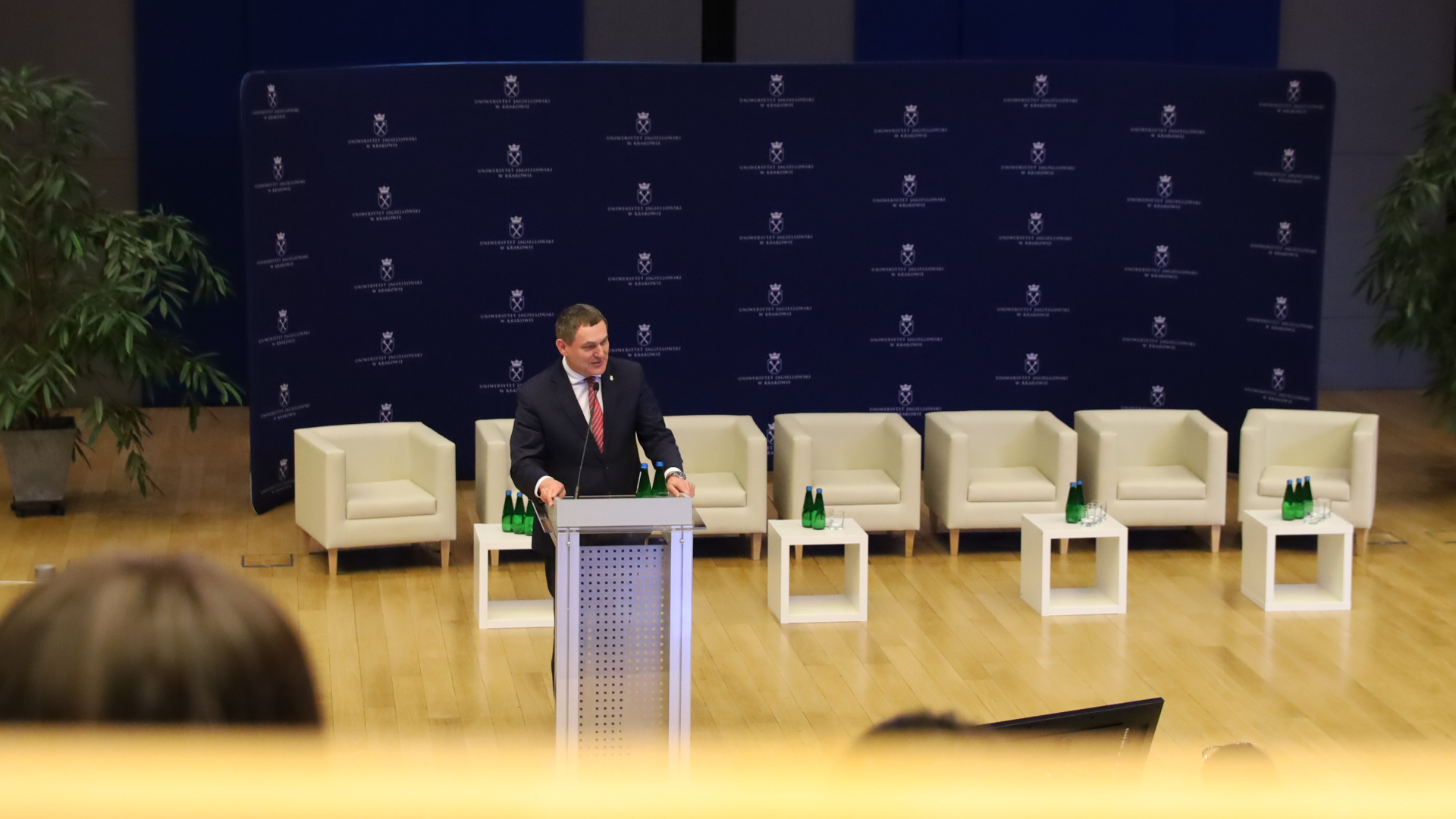
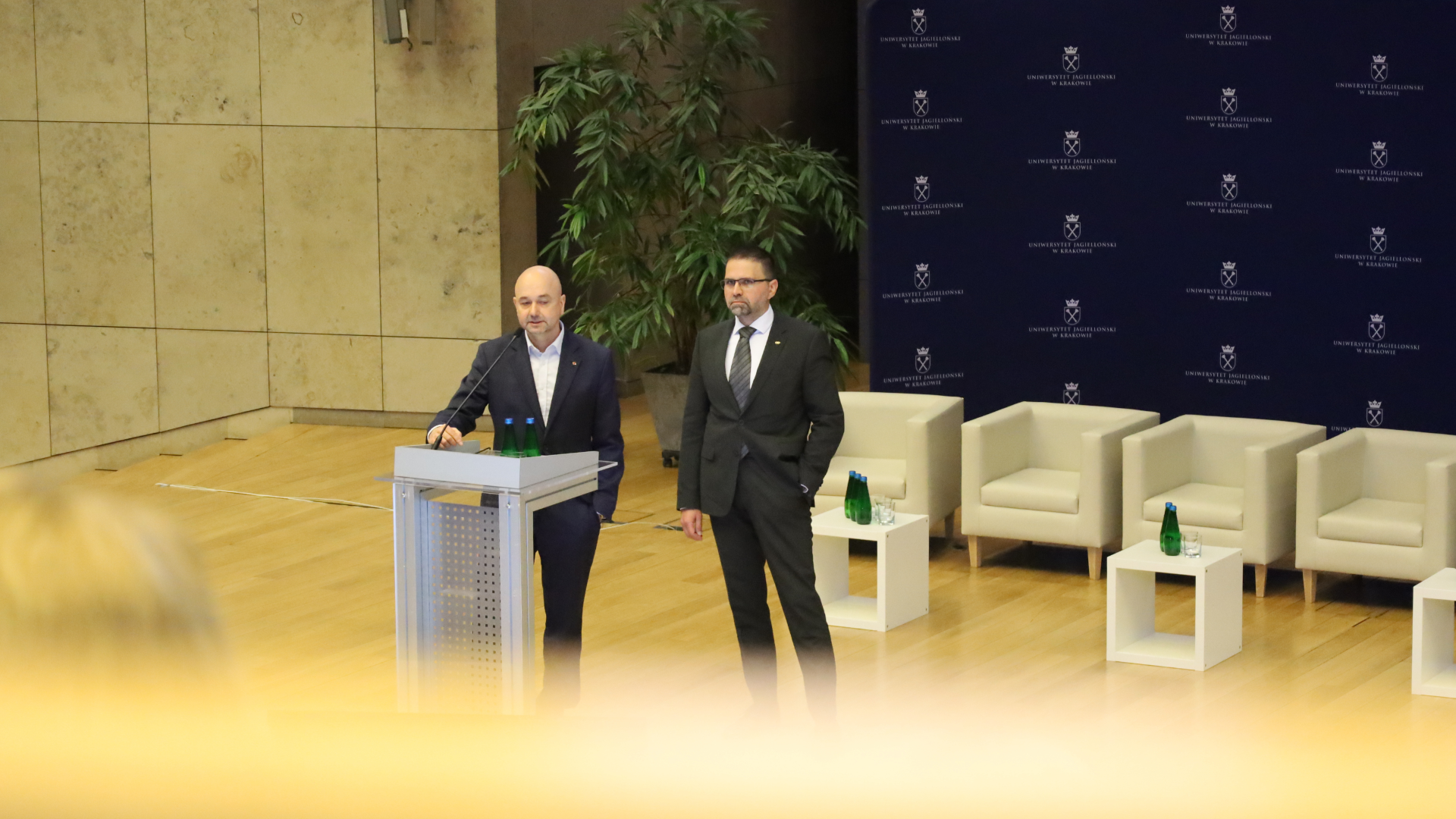
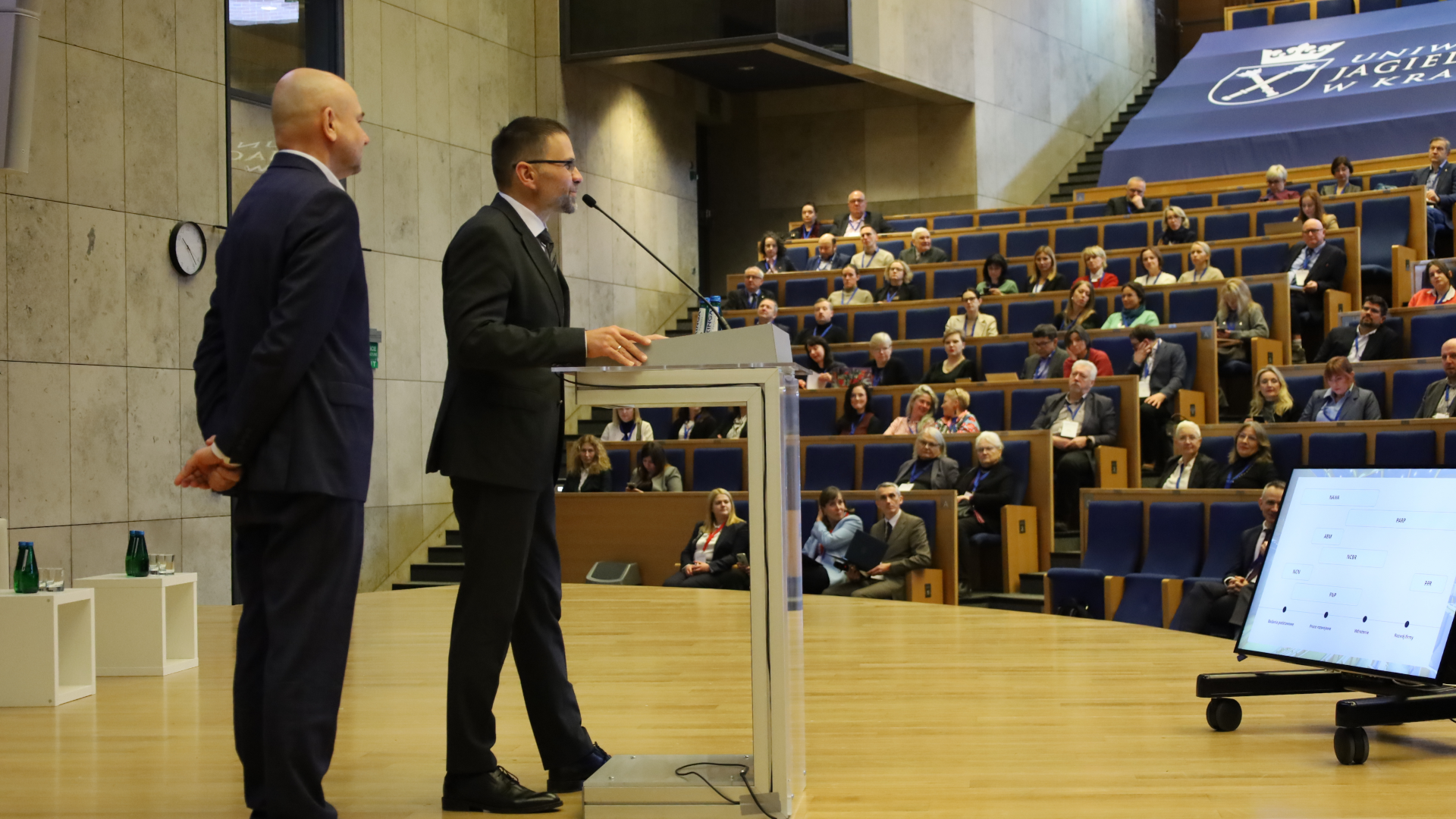
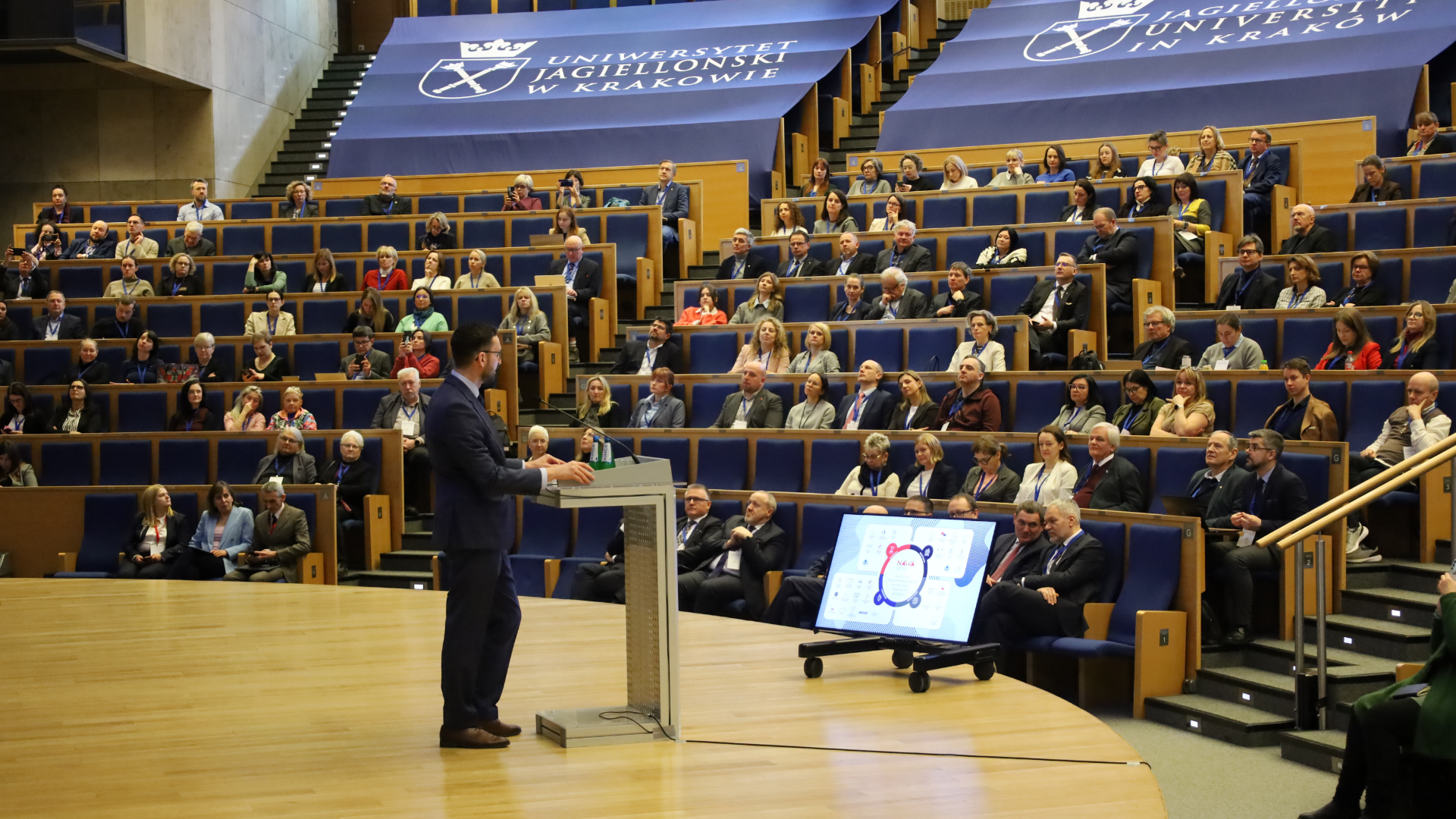
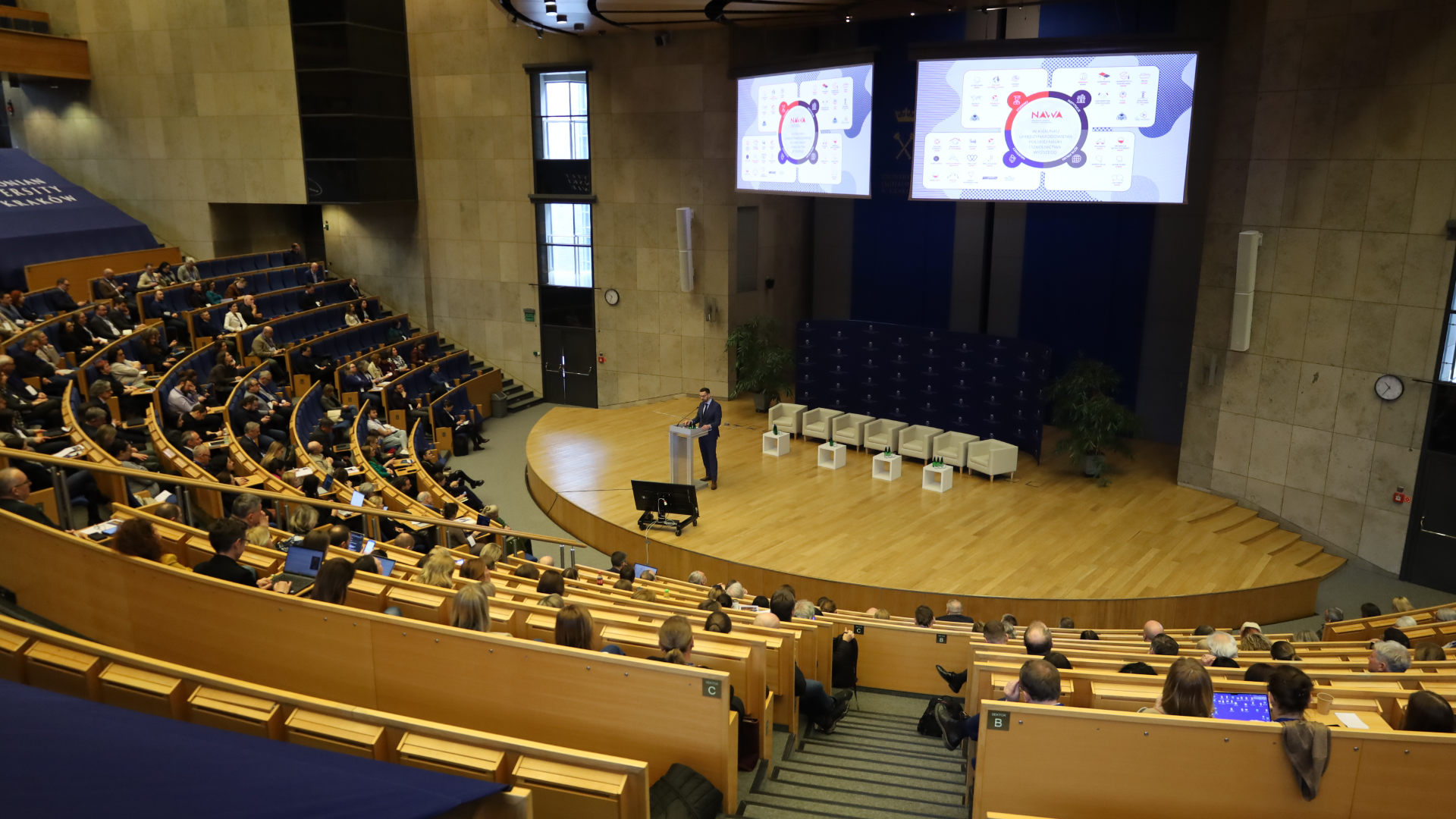
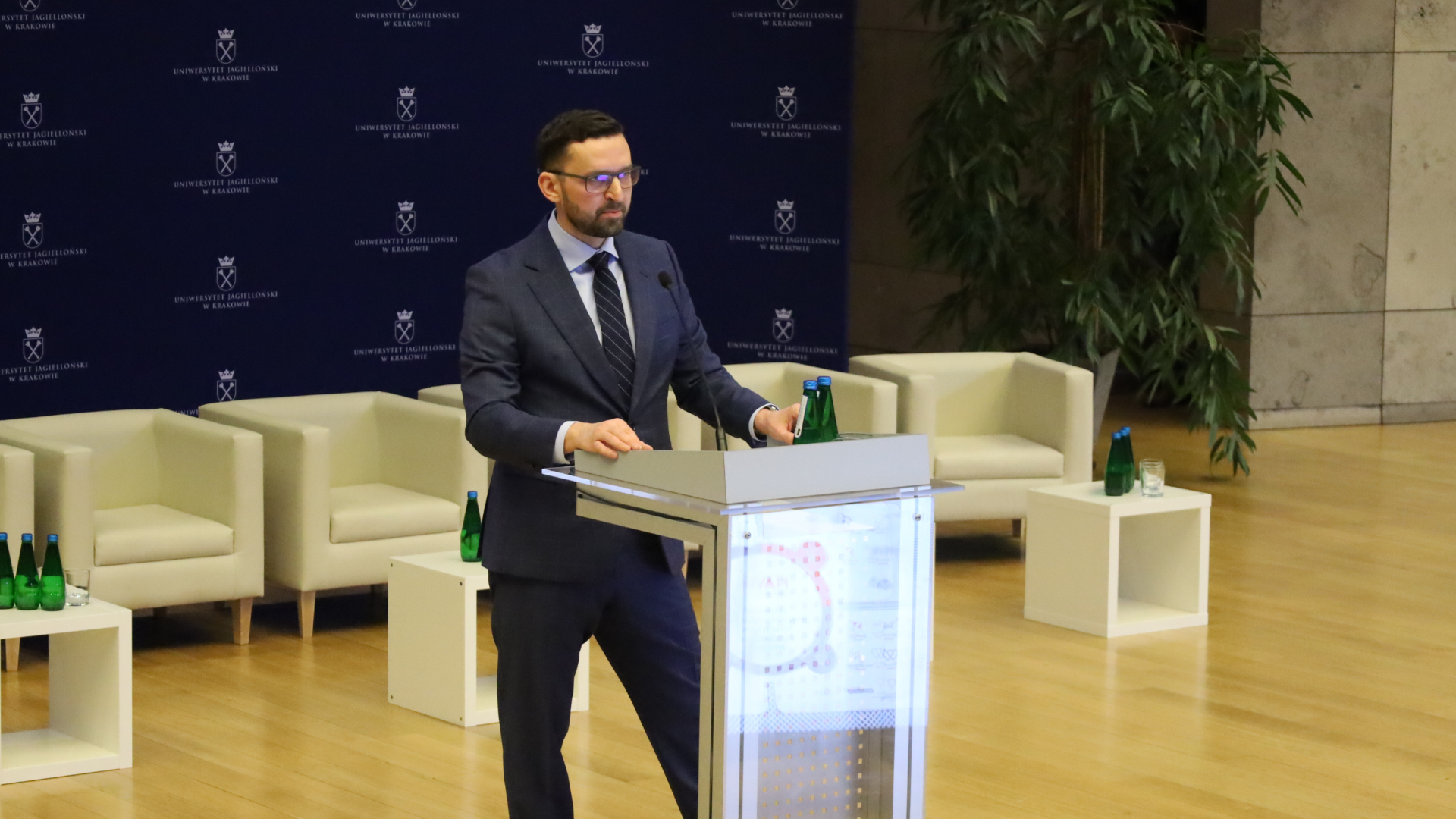
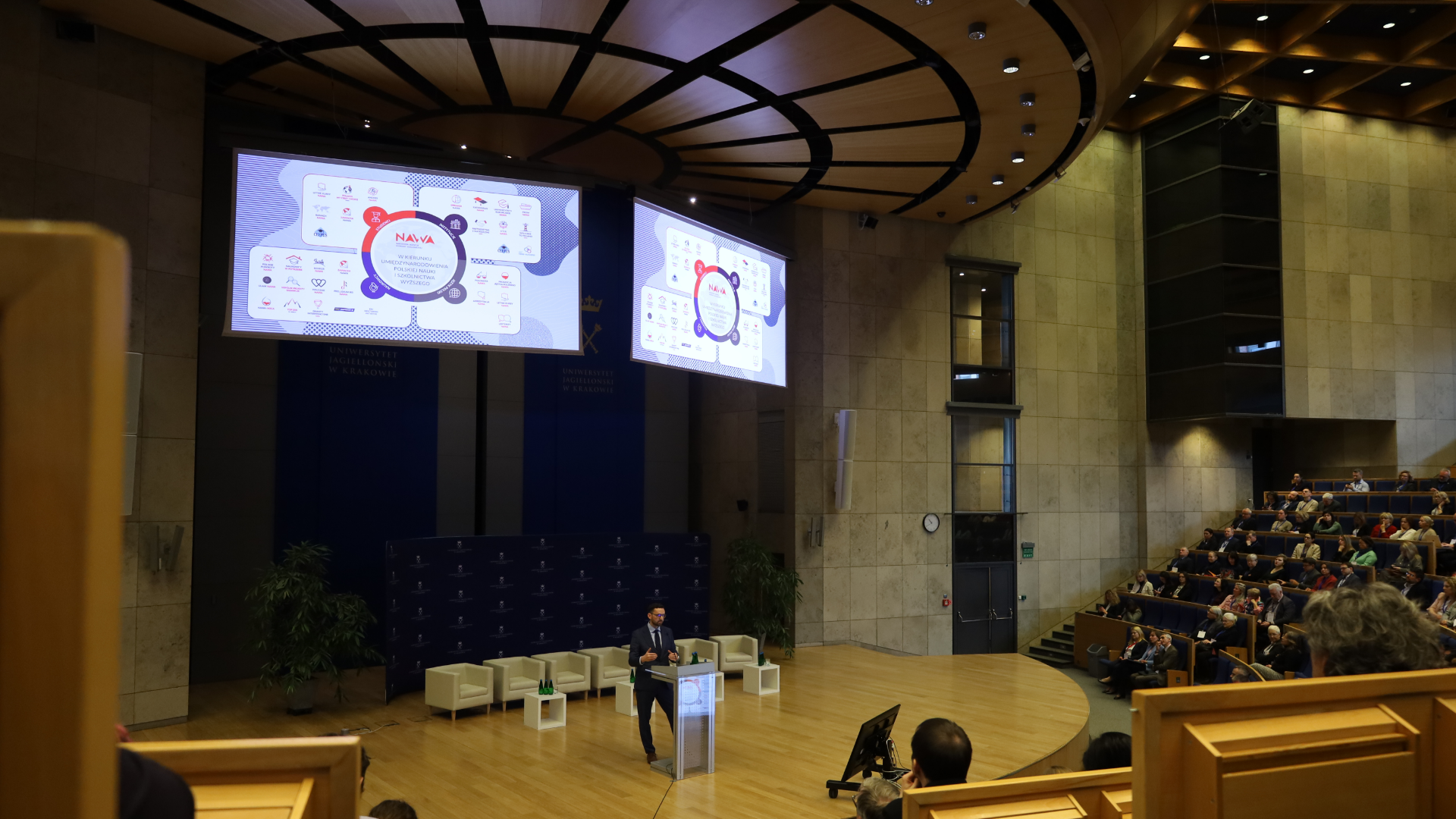
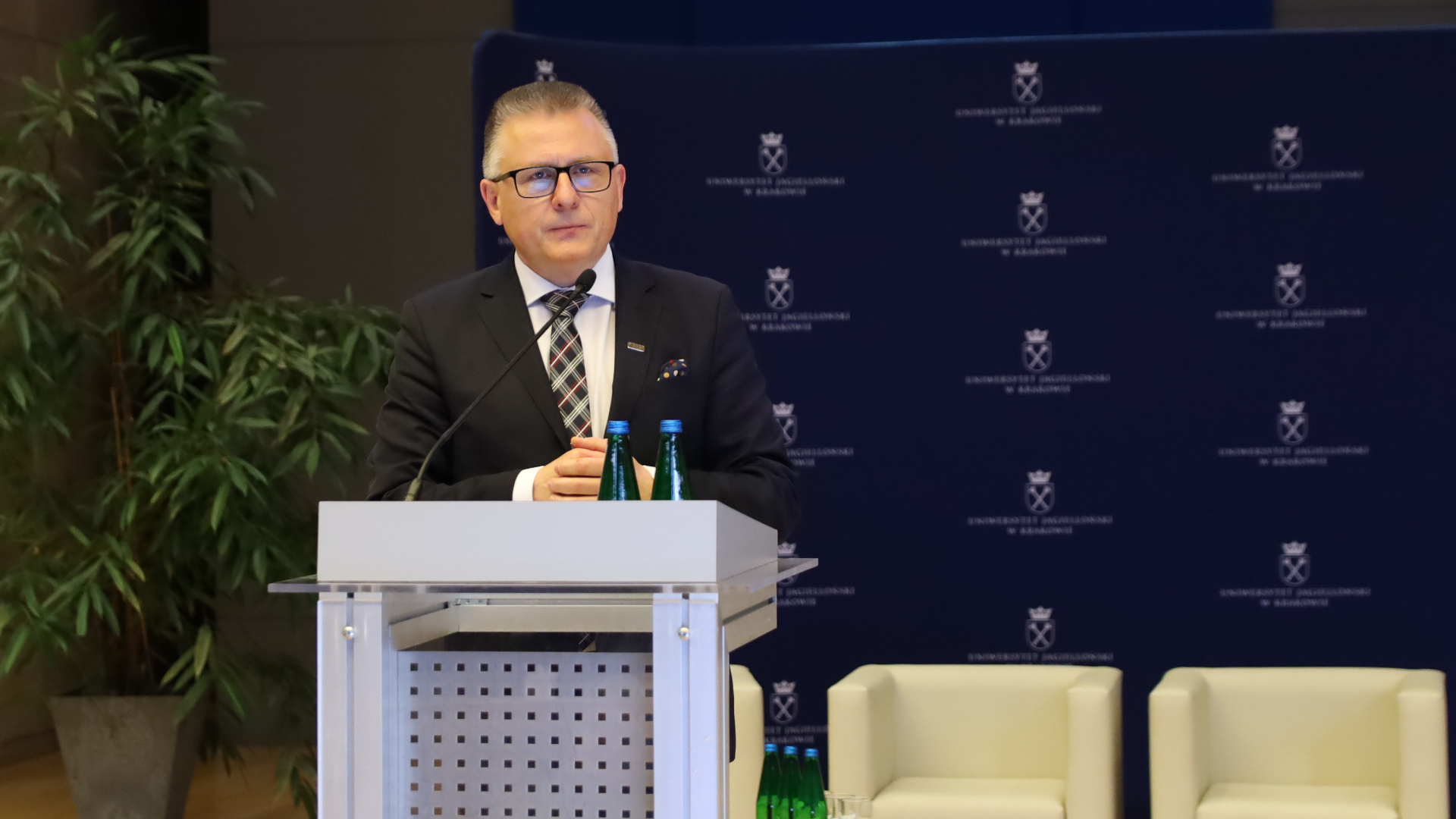
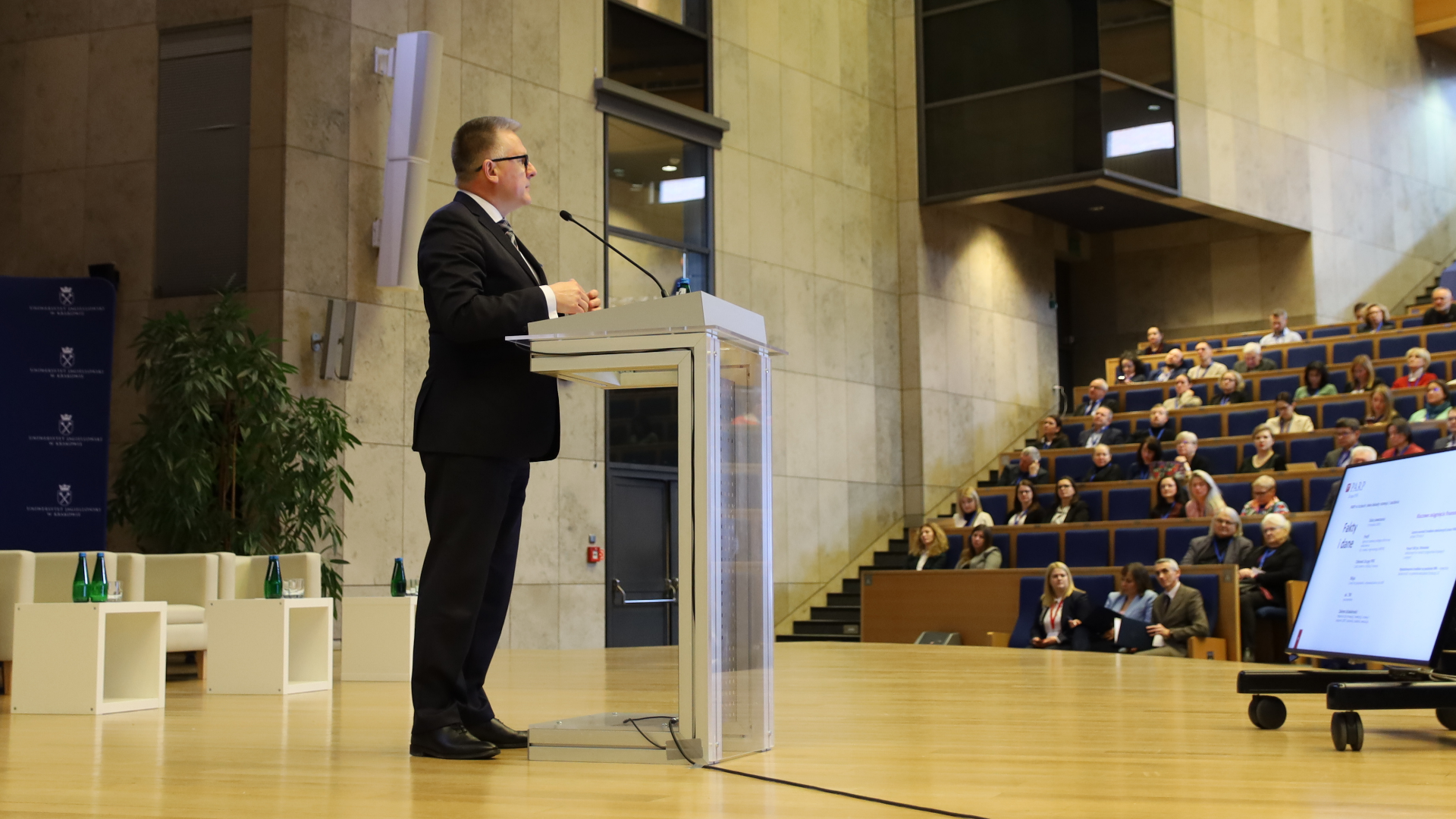
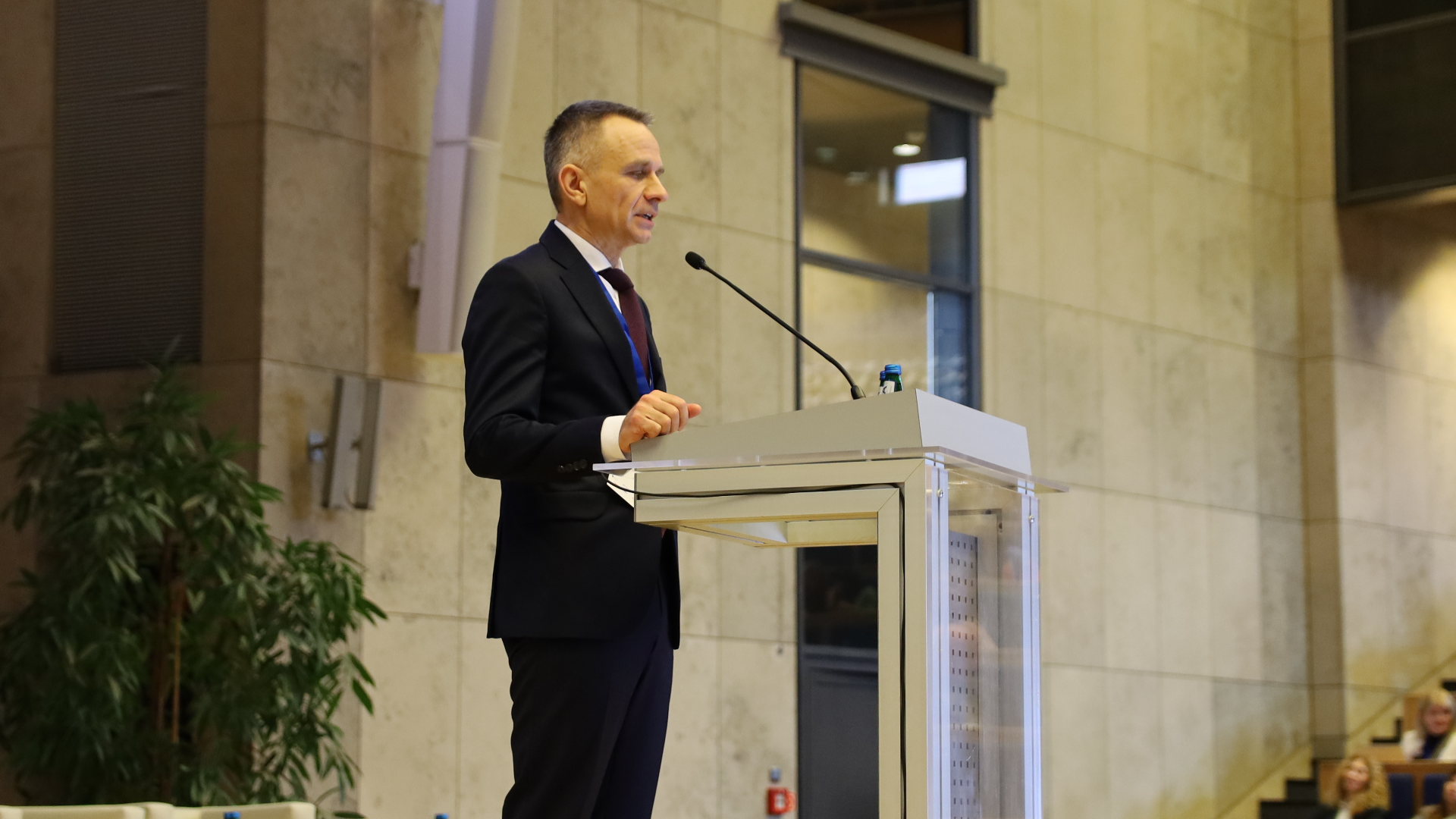
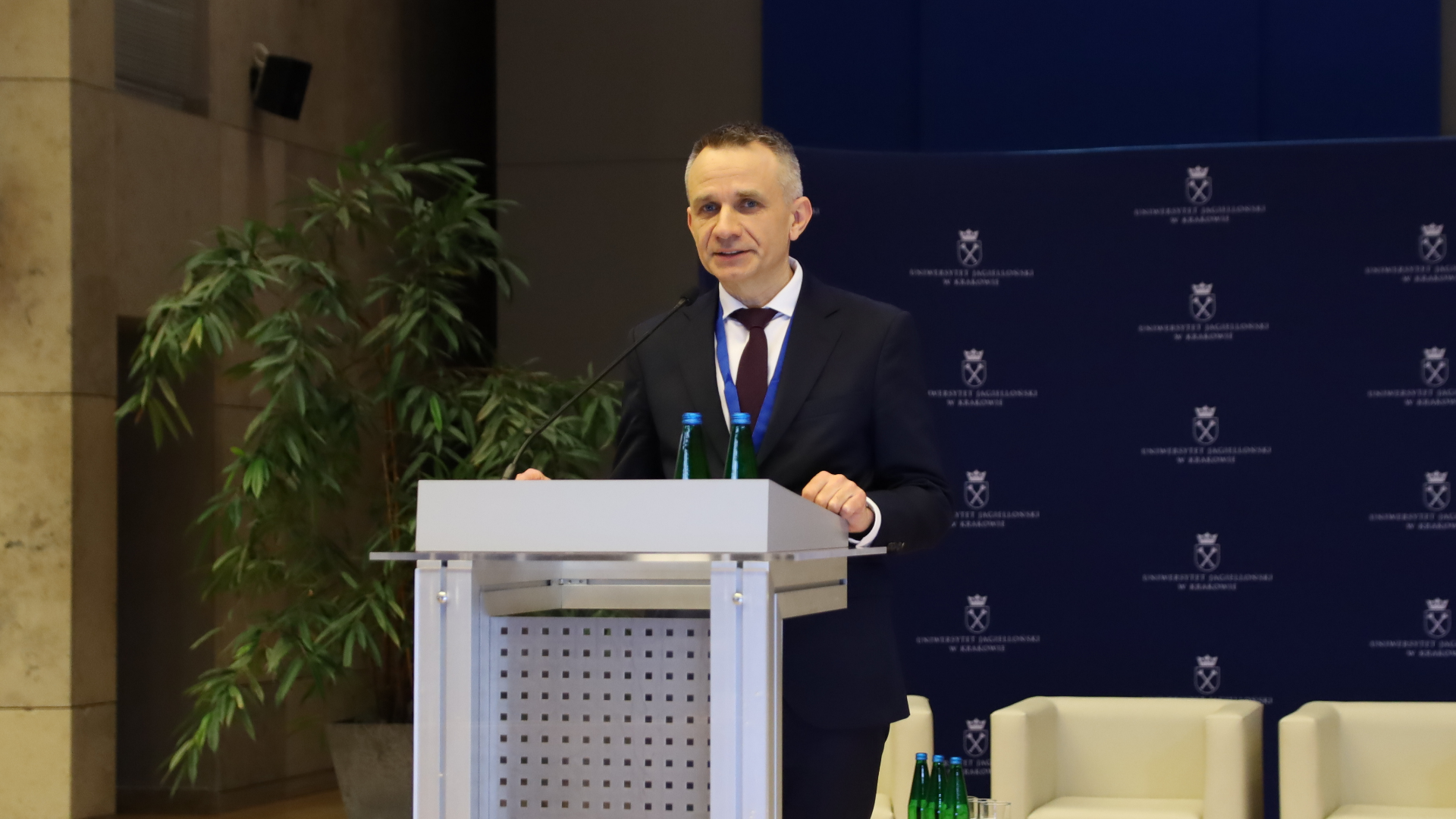
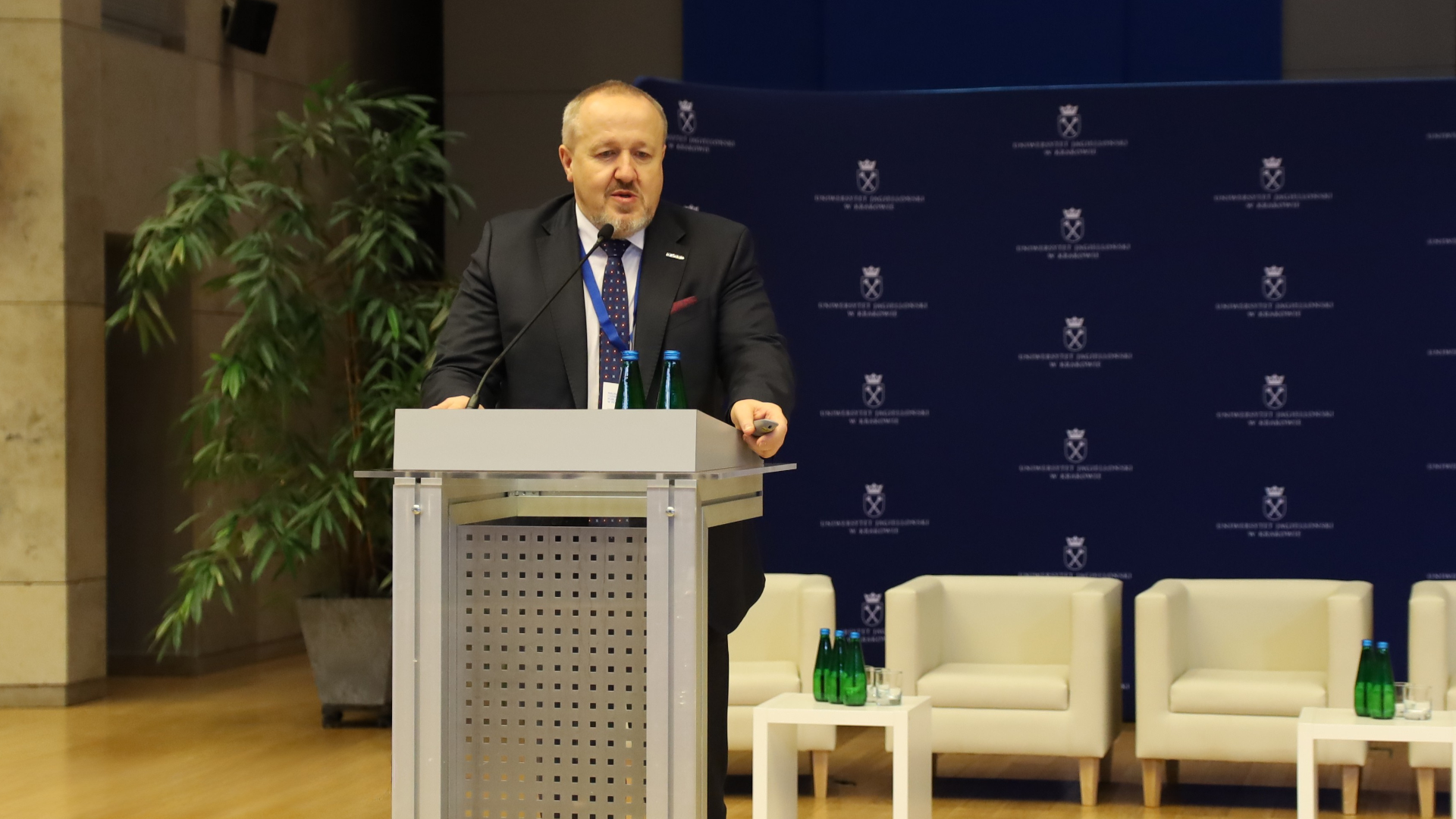
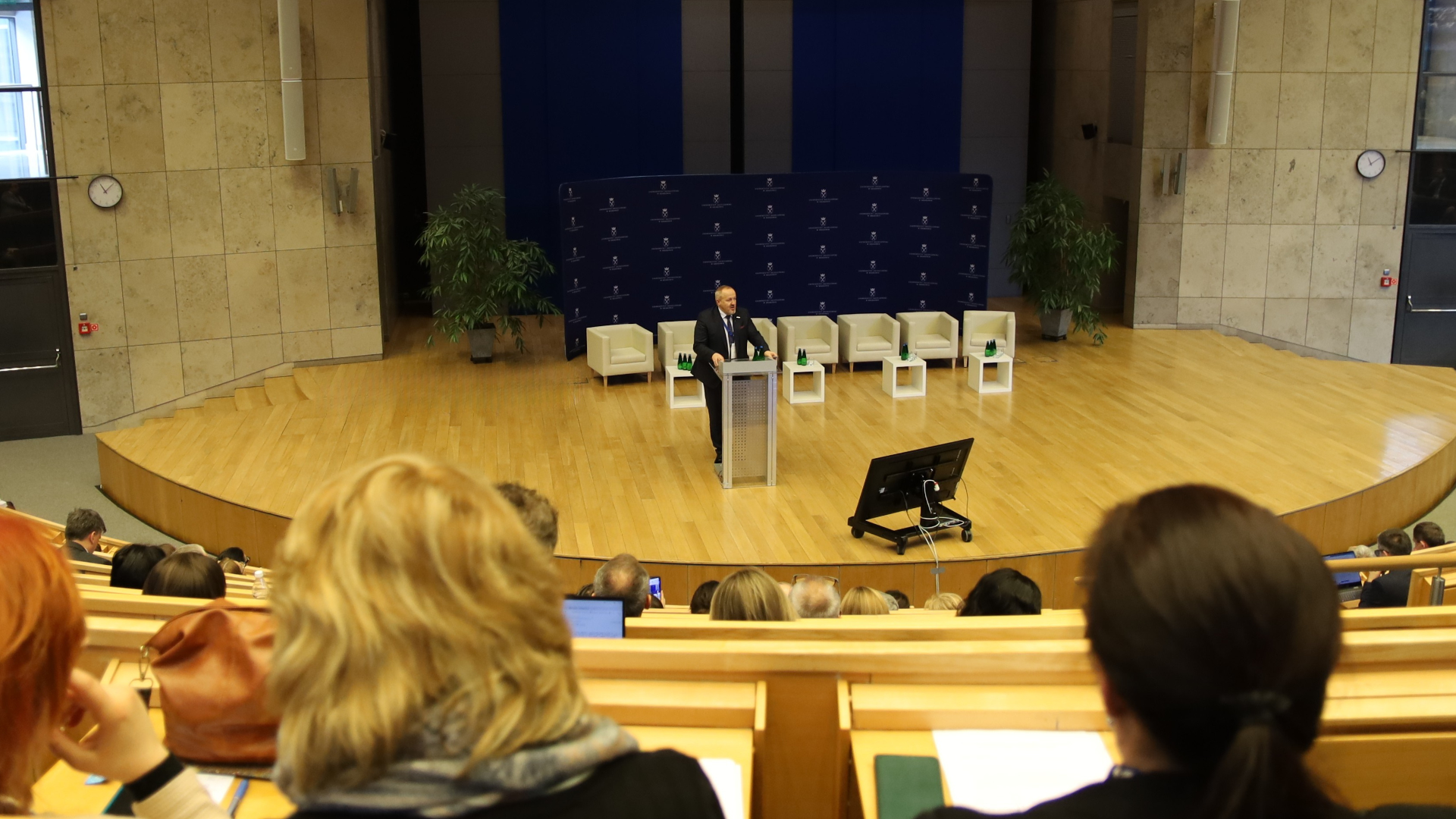
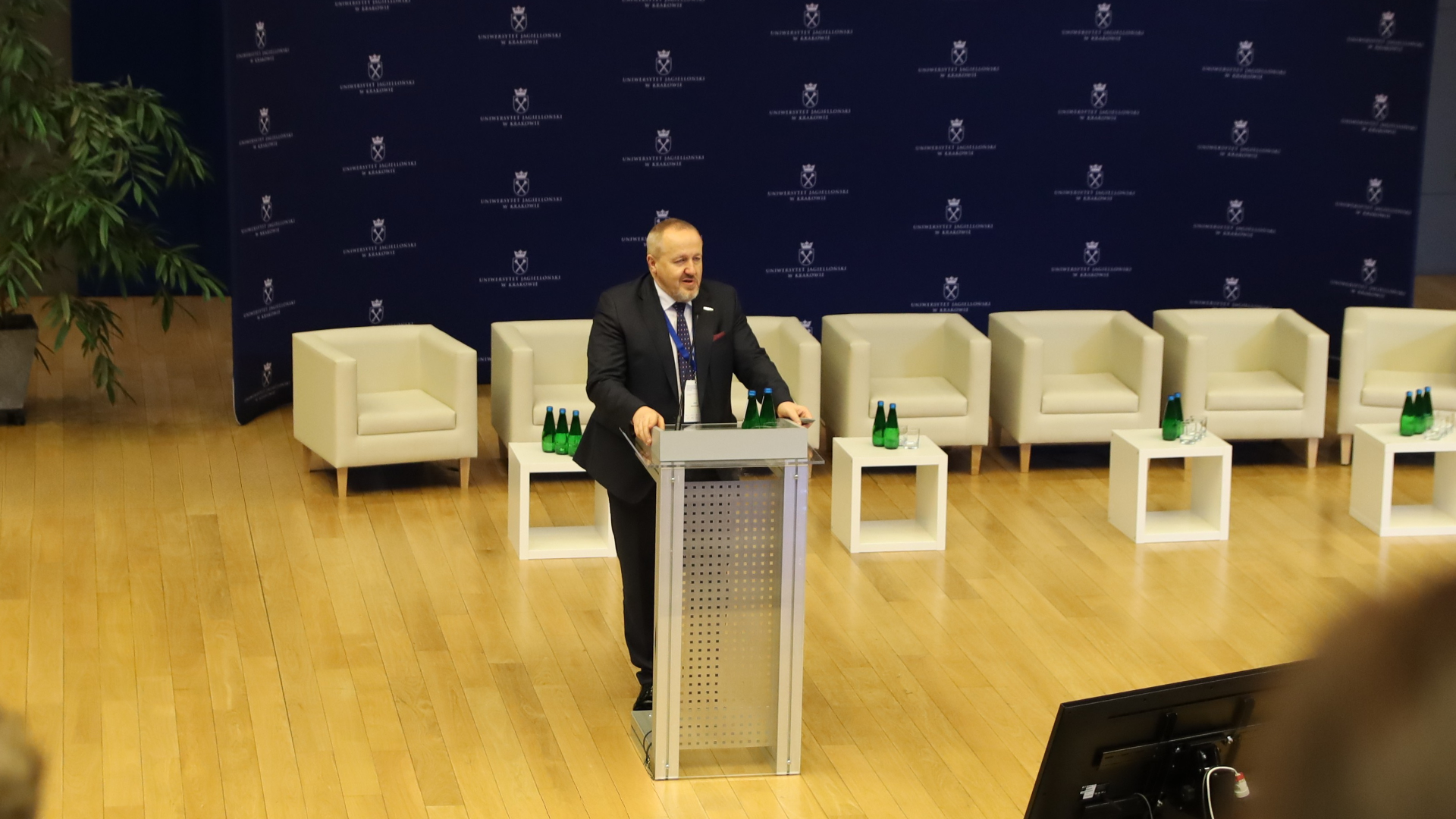
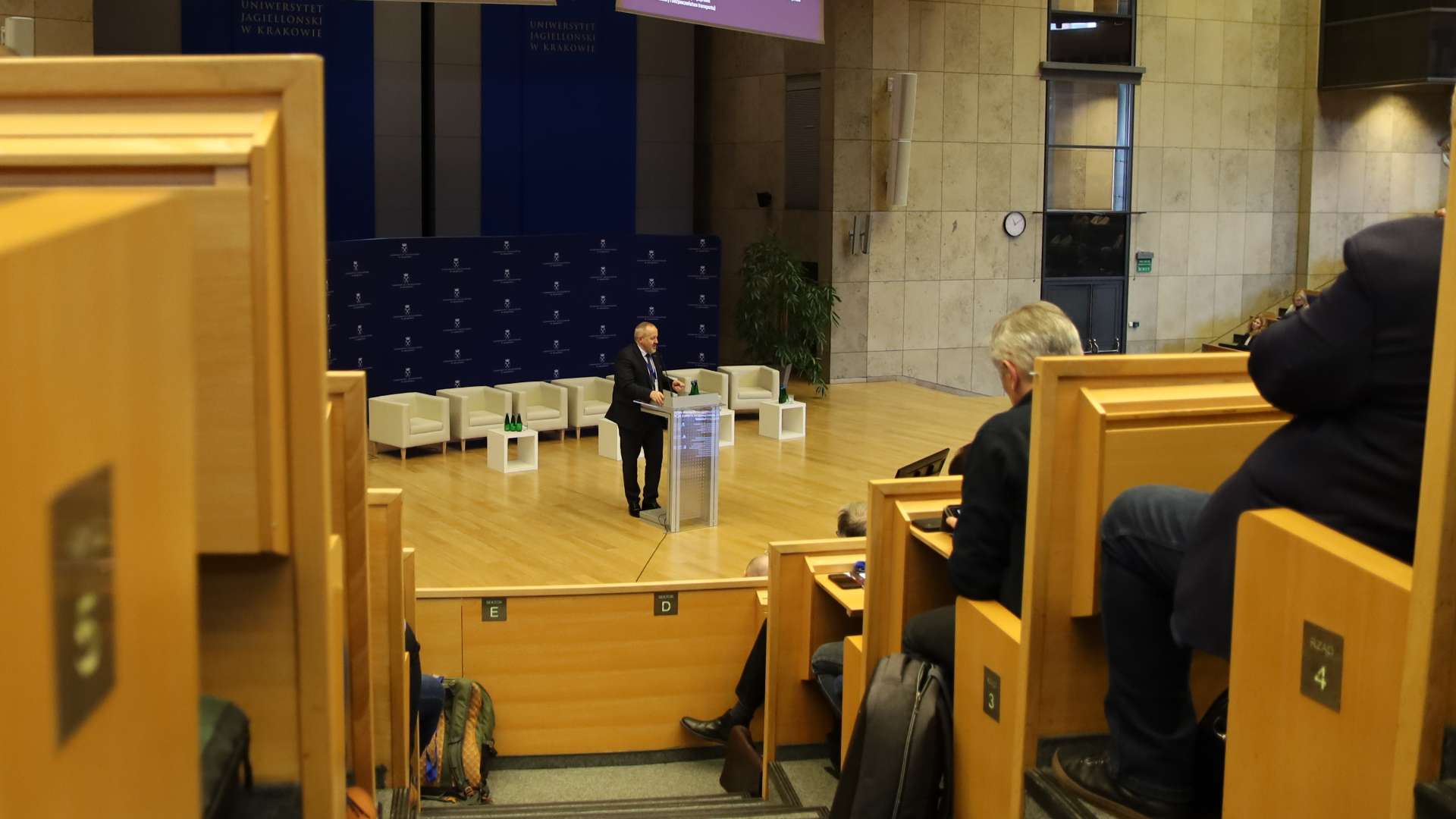
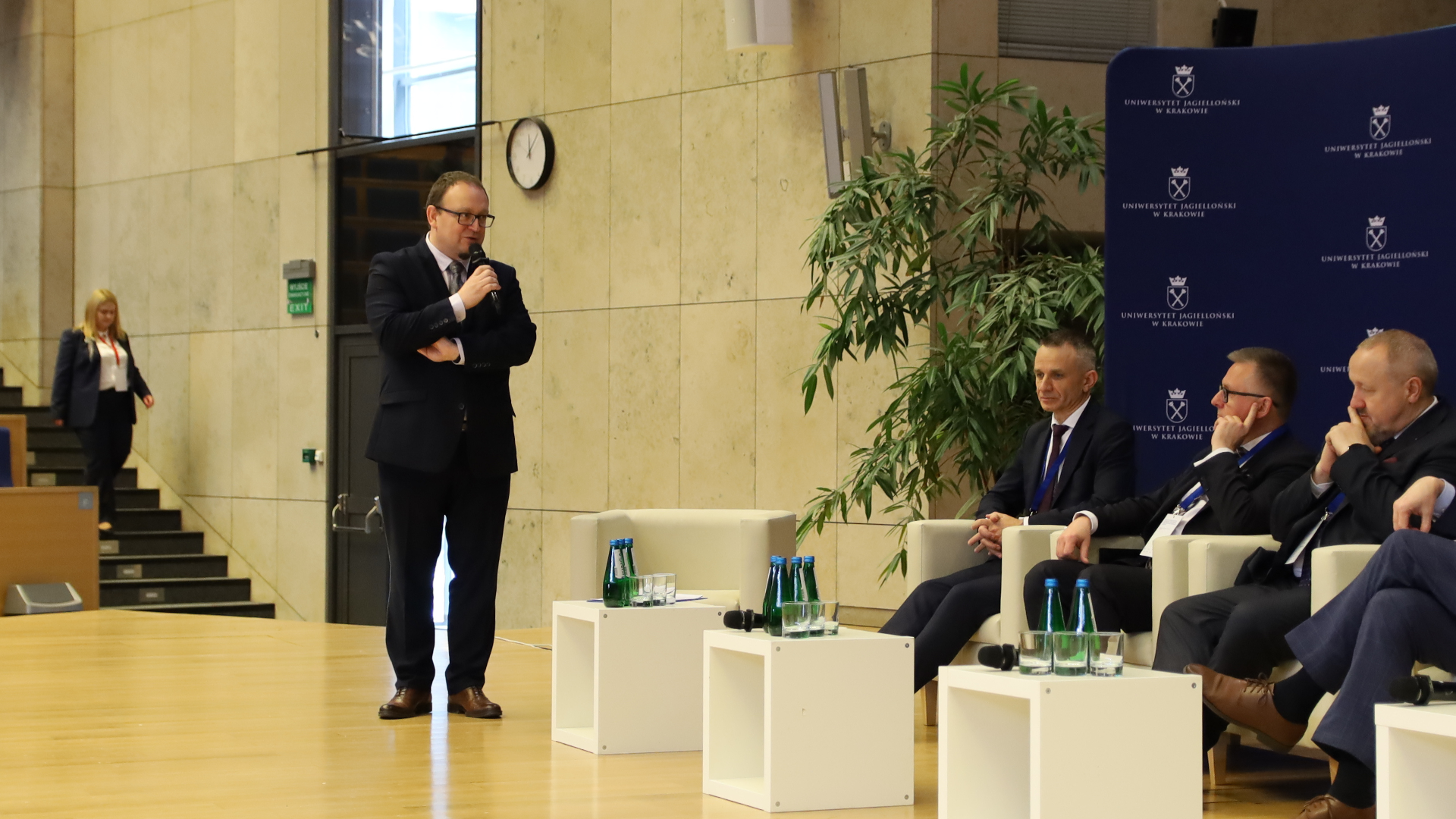
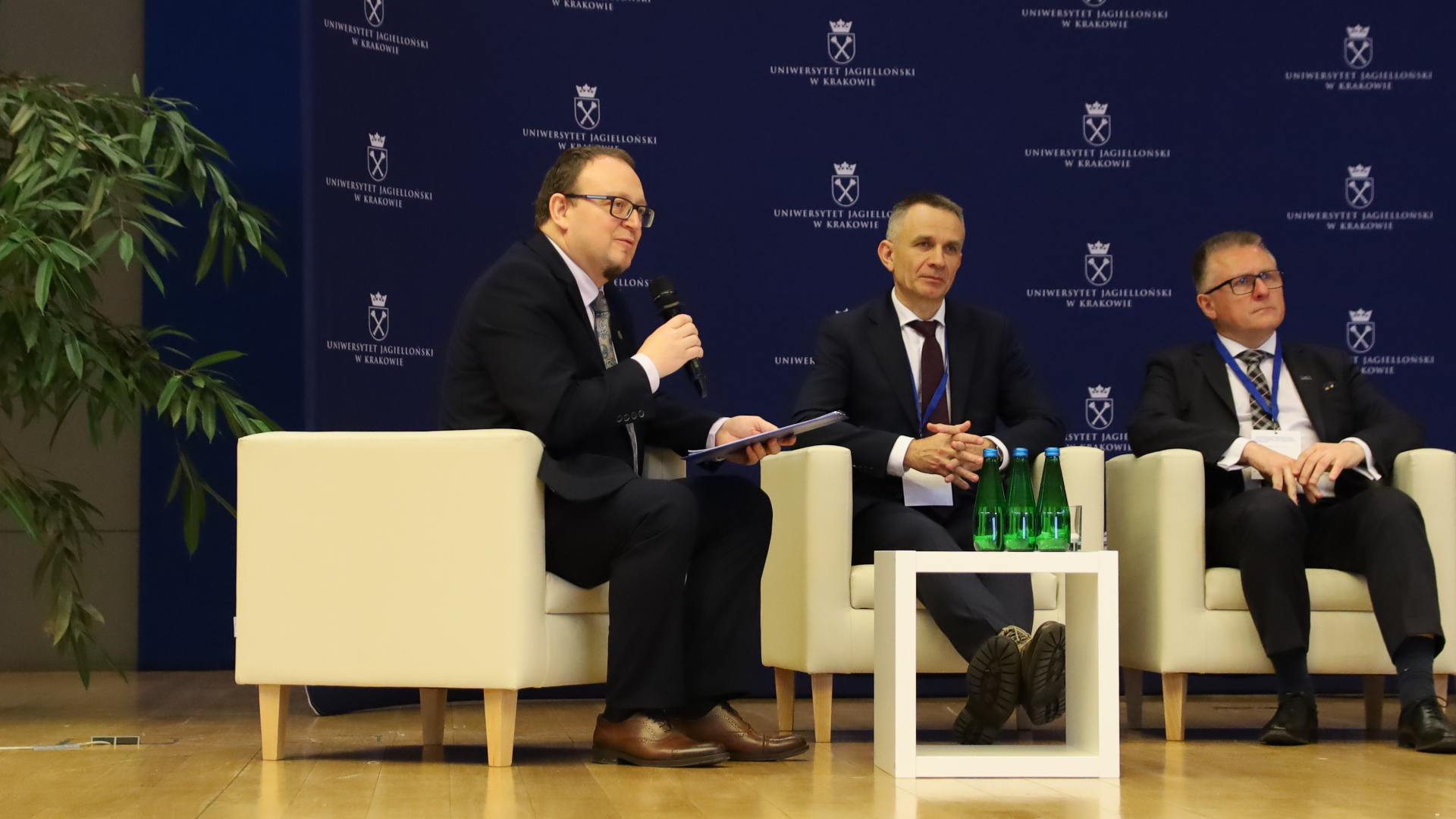
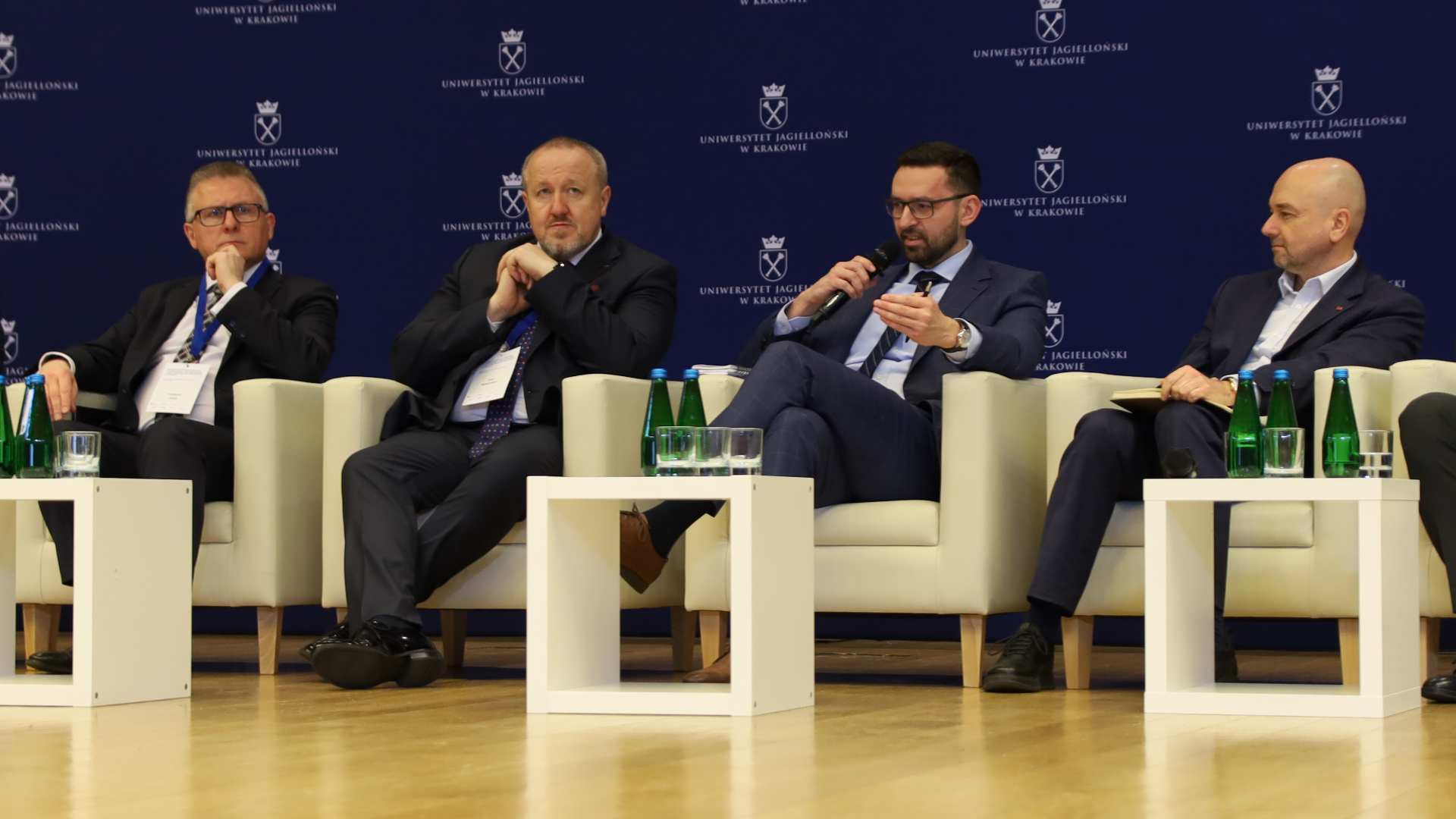
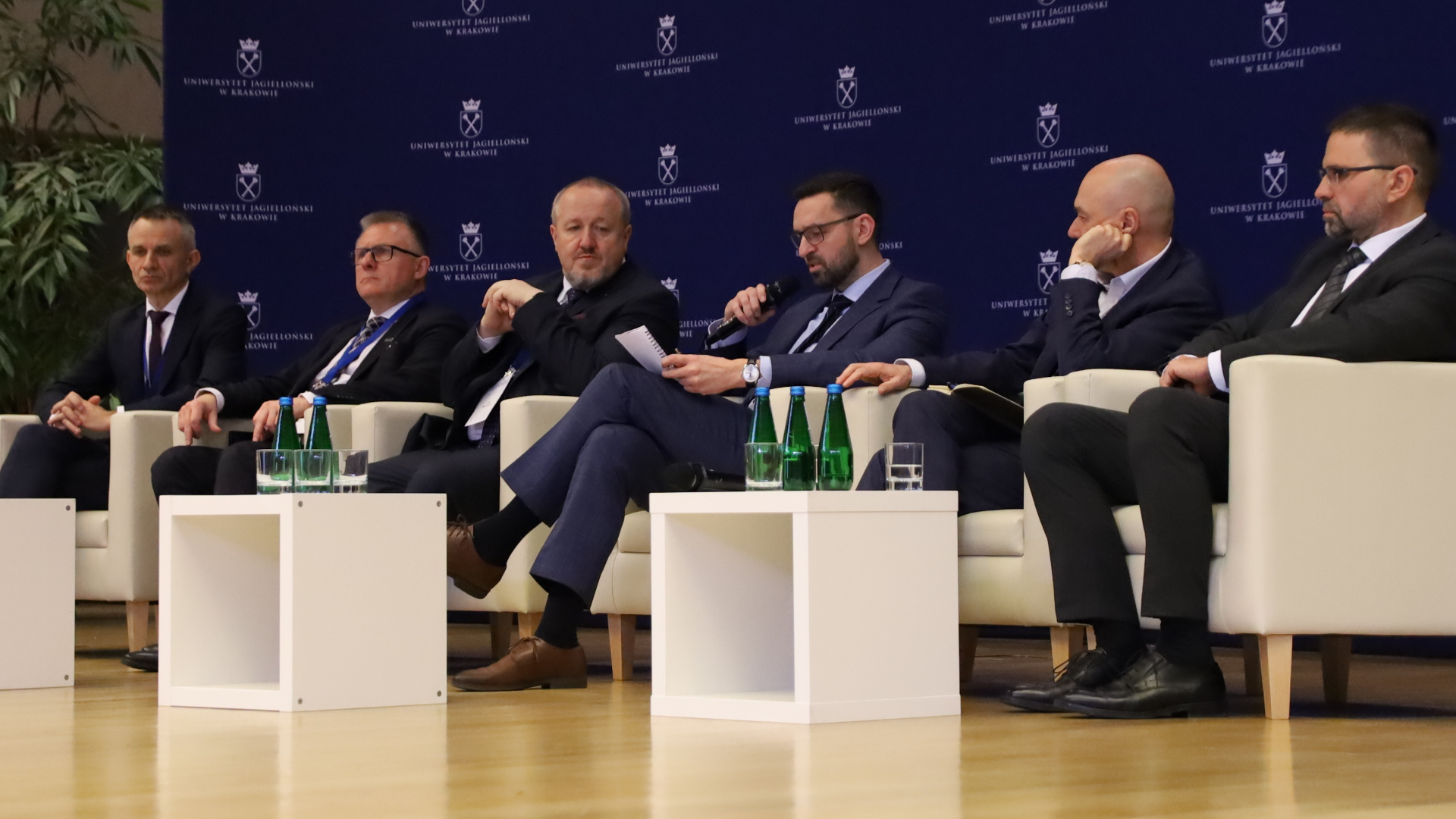
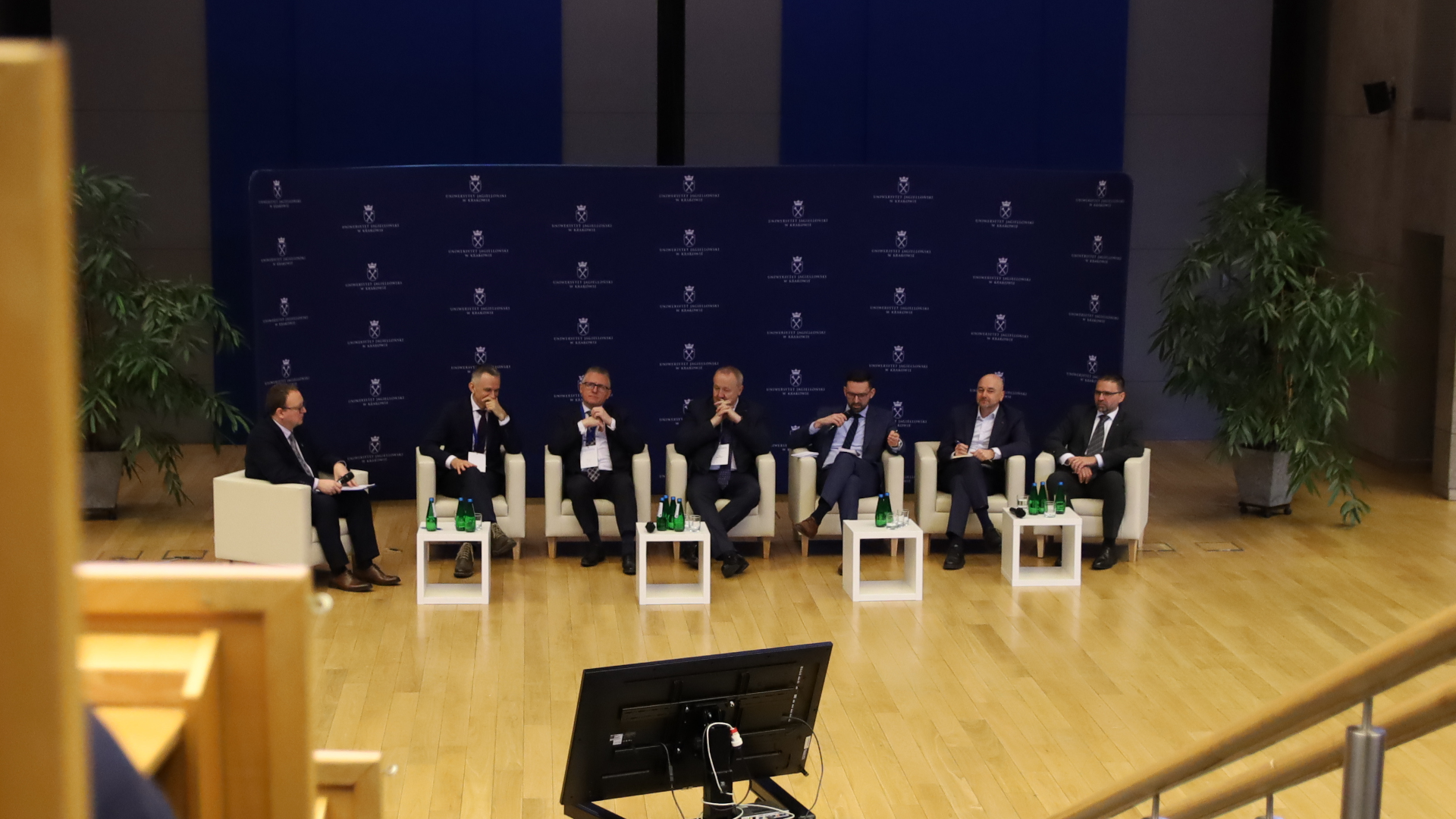
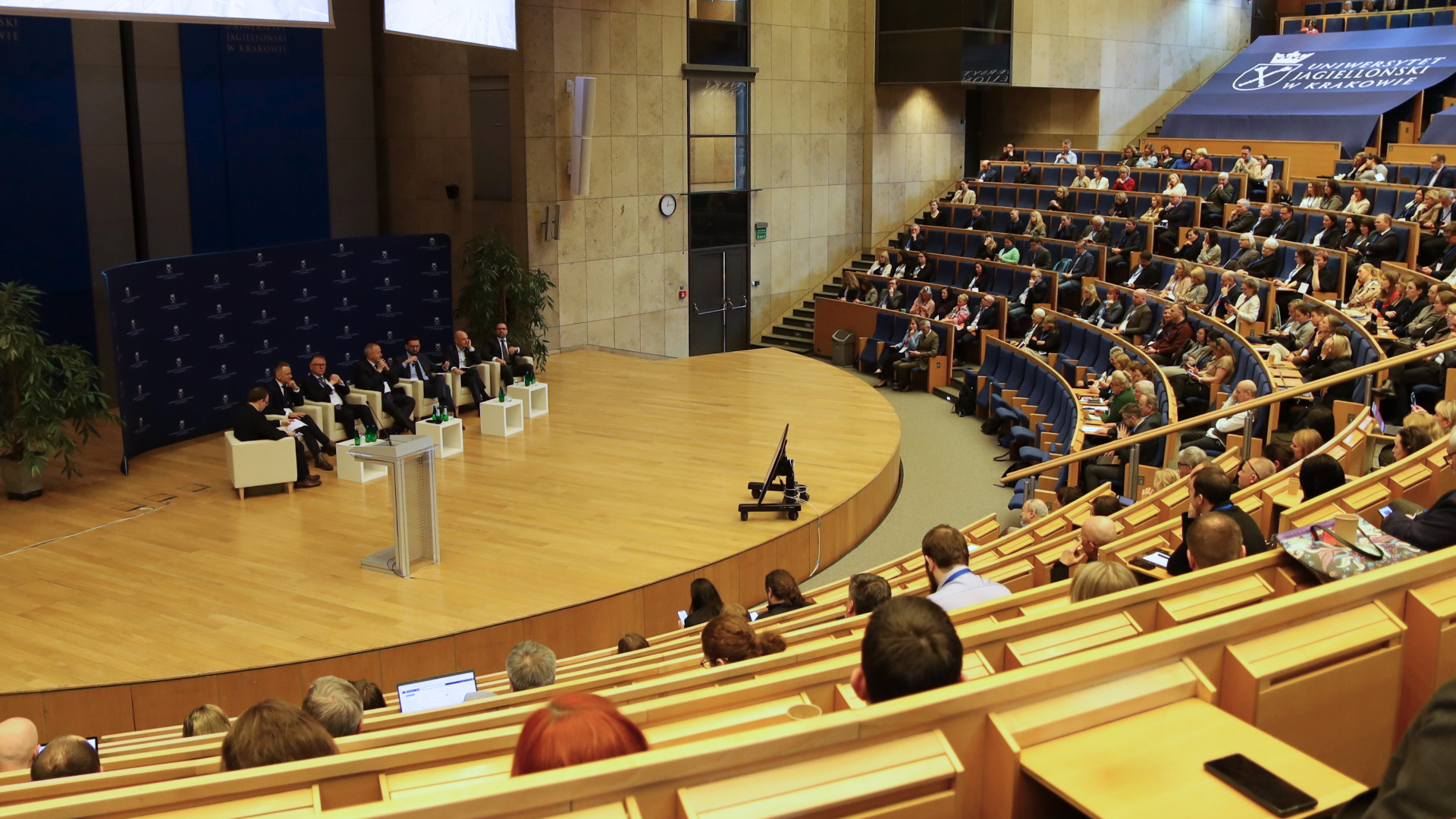
For the first time in such a broad forum, the leaders of the key institutions financing scientific research, innovation, and technological development in Poland came together. The conference “Science for Society and the Economy. Public Funding of Research and Innovation in Poland” became a pl
atform for a shared discussion on the condition of the system, the level of funding, and the directions for its further development.
The panel featured senior representatives of the National Science Centre, the Foundation for Polish Science, the National Centre for Research and Development, the Polish Agency for Enterprise Development, PFR Ventures, as well as the Director of the Polish National Agency for Academic Exchange, Dr. Wojciech Karczewski.
Internationalisation and Talent as the Foundation of Competitiveness
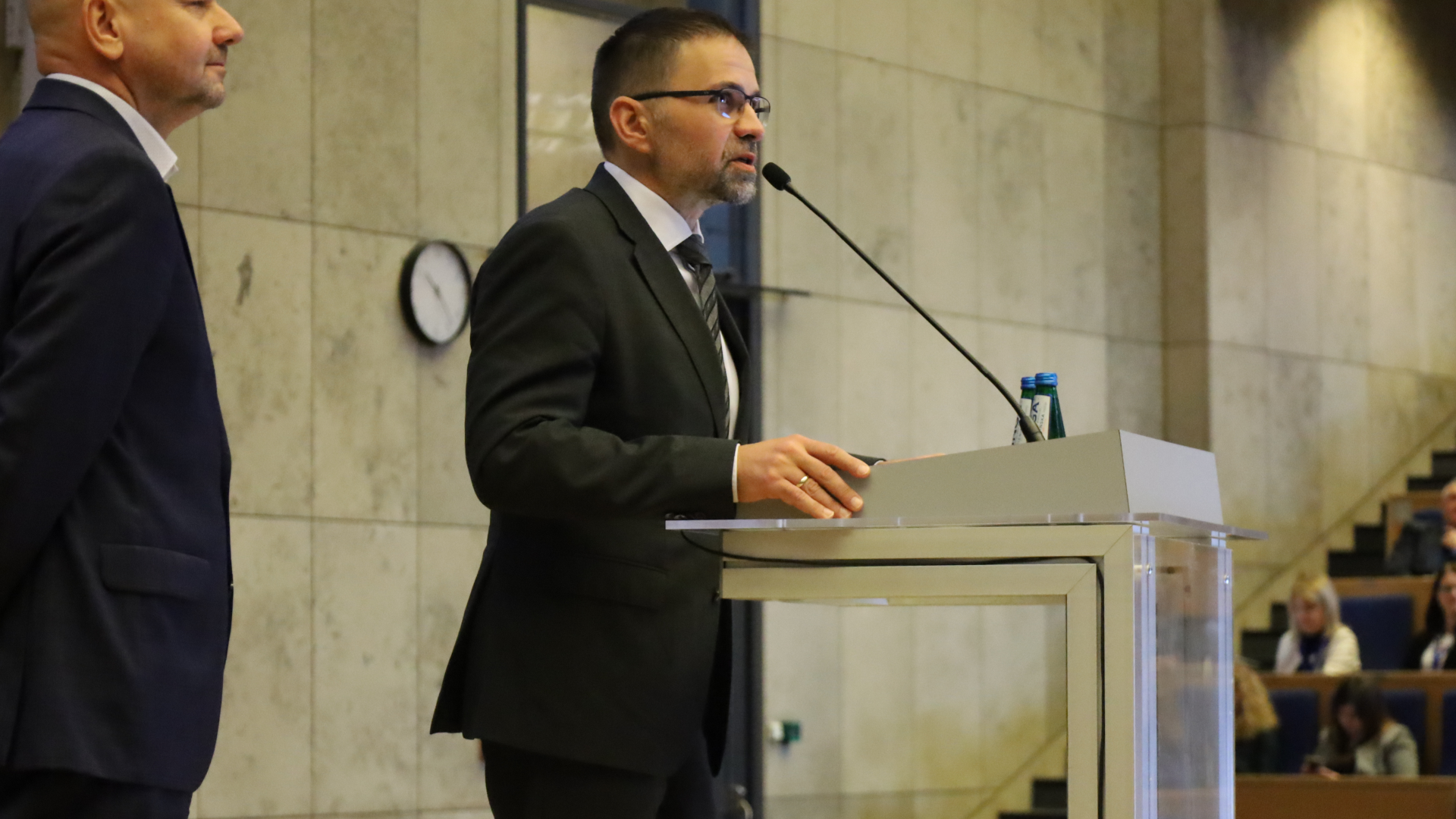
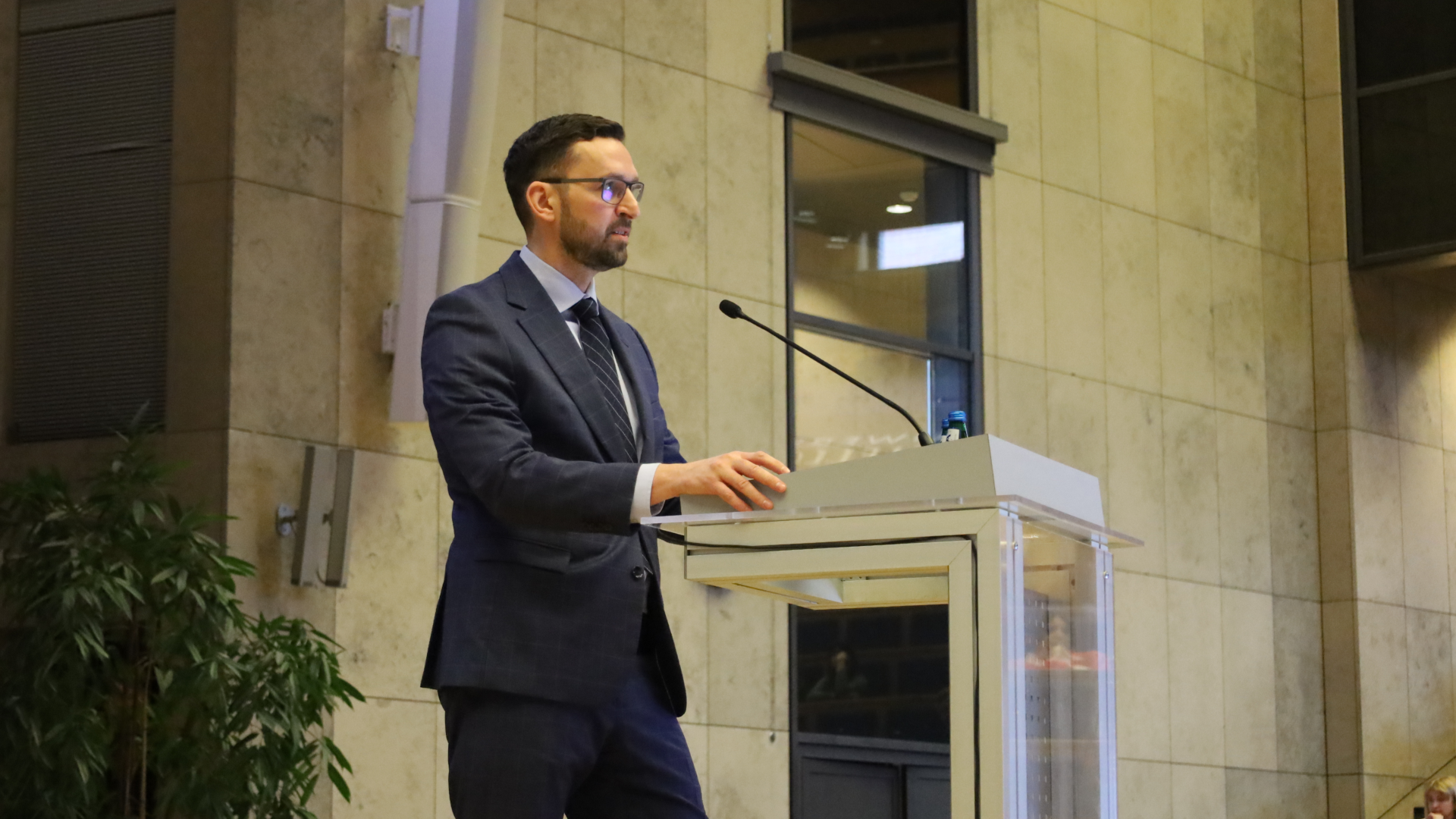
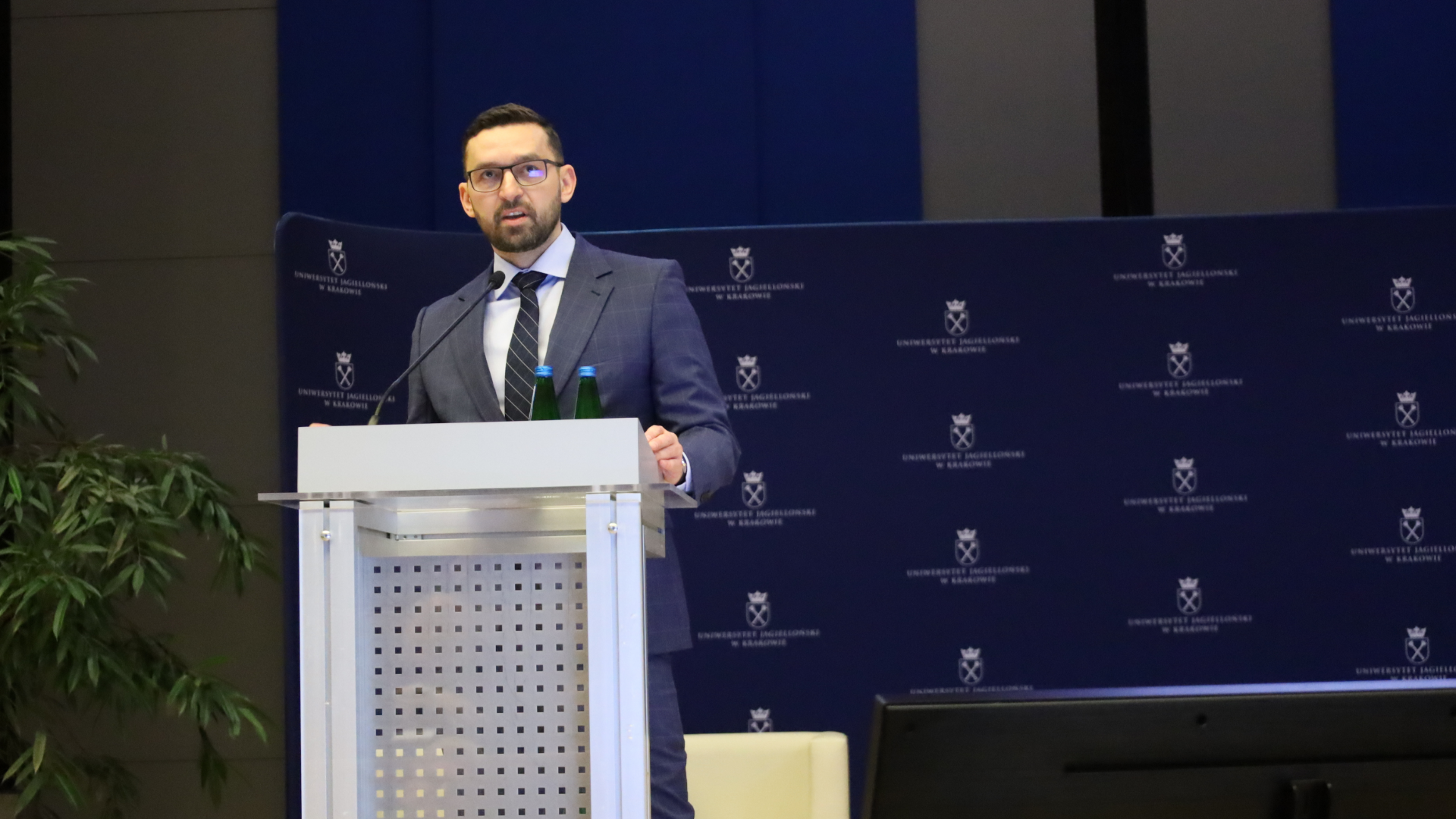
In his speech, Dr. Wojciech Karczewski emphasized that the discussion on science funding cannot be limited solely to the level of expenditure. He noted that while the state budget allocated to research development is important, the scale of global investment in new technologies clearly demonstrates the strength of international competition today.
He pointed out that one of the key conditions for building Poland’s long-term position is the internationalisation of science and the effective attraction and retention of talent. The Polish National Agency for Academic Exchange implements its strategy in this area through mobility programmes, support for international partnerships, and initiatives promoting Polish science abroad.
A particularly important instrument of NAWA is the Polish Returns Programme, aimed at encouraging outstanding researchers who have achieved success at leading foreign institutions to continue their careers in Poland. Through the programme, more than one hundred scientists have already returned to the country. These researchers, who achieved significant success abroad, are now developing their research teams within Polish institutions.
The Director of NAWA also highlighted programmes supporting the international mobility of researchers, the development of inter-university cooperation, and the strengthening of the internationalisation of academic institutions. He stressed that the flow of talent directly translates into research quality, productivity, and the ability to generate innovation.
At the beginning of his speech, he also drew attention to the insufficient representation of women in the leadership of institutions funding science, noting that this issue requires broader reflection within the community and systemic action.
Funding, Trust, and System Efficiency
During the debate, panel participants emphasized that increasing investment in science must go hand in hand with building public trust and more effectively communicating the importance of research for national development. Without a strong public conviction about the value of science, it is difficult to expect stable growth in funding.
The discussion also addressed the efficiency of public spending and the need to better translate research results into tangible economic outcomes, including the development of technology companies, patents, licenses, and implementations. The need to strengthen academic entrepreneurship and cooperation with the private sector was also underlined.
It was emphasized that the national funding system includes diverse, complementary instruments, ranging from grants for basic research, through development and structural programmes, to investment financing. The meeting of institutional leaders created space for discussion on greater integration of activities and on how to increase the return on public investment in science.
The conference demonstrated that the country’s long-term competitiveness requires not only adequate financial resources, but also a coherent strategy, internationalisation, equal opportunities, and effective knowledge transfer to the economy.